


Introduction
Dental Fillings Treatment is a common dental procedure used to repair teeth that are damaged by cavities, cracks, or minor tooth decay. When a tooth gets a cavity, it creates a hole that can cause pain, sensitivity, and further infection if not treated early. Dental fillings help restore the tooth’s normal shape and function by filling the damaged area. This treatment is safe, quick, and suitable for patients of all ages. Fillings also prevent the decay from spreading deeper into the tooth.
How Dentist Are Doing
Dentists first examine the tooth and may take an X-ray to check the depth of the cavity. Then the decayed part of the tooth is removed carefully using dental instruments. After cleaning the area, the dentist fills the empty space with filling material such as composite (tooth-colored), silver amalgam, or other materials. The filling is then shaped properly and hardened using a special curing light. Finally, the dentist adjusts the bite to make sure the patient feels comfortable while chewing.
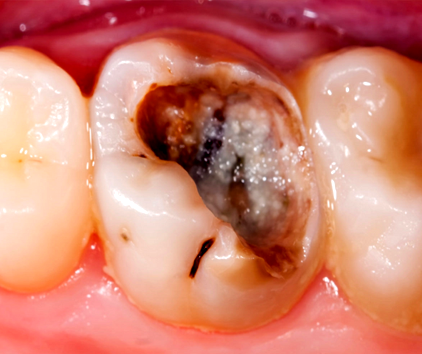
- Before dental Treatment
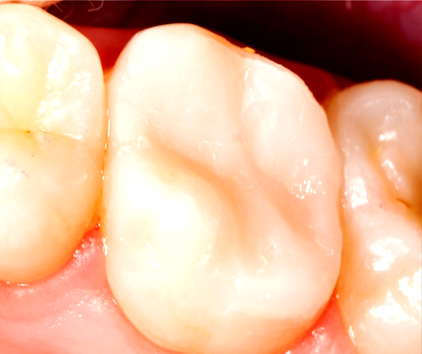
- After dental Treatment
Use / Benefits
Dental fillings help stop tooth decay from spreading and protect the tooth from further damage. They restore the tooth’s strength and allow the patient to chew normally without pain. Tooth-colored fillings also improve the appearance of the smile by blending naturally with the teeth. Fillings reduce sensitivity and help avoid bigger treatments like root canal or extraction. Overall, dental fillings are an effective solution for maintaining healthy and strong teeth.